Compare Top Local Operators
100% Free

Planning a trip to Burkina Faso?

Share your travel plans and get free itineraries and quotes from multiple trusted local operators.

Itineraries tailored to your travel plans Compare quotes from multiple local operators Connect directly with trusted local operators
Get Free Quotes

10k+ travelers have submitted inquiries

Burkina Faso - Travel Guide

4.0

Must-see attractions, popular activities, and featured local operators

West Africa

Burkina Faso, a landlocked country in West Africa, offers a rich tapestry of culture and unique travel experiences. Known for its vibrant arts scene, visitors can explore the capital city, Ouagadougou, where the National Museum showcases traditional crafts and history. The country is famous for the Bobo-Dioulasso region, home to the stunning Grand Mosque and the lively Bobo market, where local artisans display their wares. Nature enthusiasts can discover the picturesque landscapes of the Comoé National Park, teeming with wildlife and serene hiking trails. Burkina Faso’s festivals, such as the biennial FESPACO film festival, celebrate its dynamic cultural heritage, while the warm hospitality of its people makes for an inviting and enriching travel experience.
Attractions

Language

Burkina Faso is a multilingual country where over 60 indigenous languages are spoken, with Moore, Dioula, and Fulfude being the most widely used. Moore is the dominant language, particularly in the central region, while Dioula serves as a key trade language, facilitating communication among various ethnic groups. French is the official language, a legacy of colonial rule, and is used in government, education, and media. While English is not widely spoken, its presence is growing, especially among the younger population and in urban areas, reflecting a broader trend of globalization and increased international engagement.

Best Time to Visit

The best time to visit Burkina Faso is during the dry season, which runs from November to February. During these months, the weather is pleasantly cool and dry, making it ideal for exploring the country's vibrant markets, cultural festivals, and stunning landscapes. The temperatures are more manageable, averaging between 20°C to 30°C (68°F to 86°F), allowing travelers to fully enjoy outdoor activities and wildlife viewing. Additionally, this period coincides with various local celebrations, offering a unique opportunity to immerse yourself in the rich cultural heritage of Burkina Faso.

Month
Weather Overview
January
January sees cooler temperatures, averaging 20-30°C, and very little rainfall, making it a pleasant time to visit.
February
In February, temperatures rise slightly, reaching up to 35°C, with still minimal precipitation, and humidity remains low.
March
March marks the beginning of the hot season, with temperatures often exceeding 40°C, and humidity starts to increase, though rain is still scarce.
April
By April, temperatures peak, frequently hitting 42°C, with humidity climbing, but rainfall remains low.
May
May brings the onset of the rainy season, with temperatures cooling slightly (30-40°C) and increased humidity, while occasional showers begin.
June
In June, temperatures drop further to 25-35°C, and rainfall becomes more frequent, contributing to high humidity levels.
July
July sees continued rainfall, with temperatures averaging 23-32°C and high humidity, creating a lush landscape.
August
August remains wet, with temperatures similar to July, but the rain begins to taper off.
September
September marks the transition back to dry season, with temperatures starting to rise again (25-35°C) and a decrease in precipitation.
October
October brings a return to hot, dry weather, with temperatures ranging from 25-35°C and very little rainfall, setting the stage for the cooler months ahead.
November
Characterized by pleasant weather, cooler temperatures (20-30°C), and minimal rainfall, making these months ideal for travel and outdoor activities.
December
Characterized by pleasant weather, cooler temperatures (20-30°C), and minimal rainfall, making these months ideal for travel and outdoor activities.

Festivals

Month:8
Festival:Fête Nationale

Burkina Faso's National Day celebrates its independence from France, marked by parades, military displays, and cultural performances. Travelers can enjoy patriotic events, music, dance, and fireworks across the country, particularly in Ouagadougou.

Month:6
Festival:Festa de la Musique

This music festival is held nationwide to celebrate global music diversity. Visitors can enjoy street performances, concerts, and a mix of local and international musical styles in cities like Ouagadougou and Bobo-Dioulasso.

Month:11
Festival:Dédougou Festival

A celebration of the Mossi culture in the town of Dédougou, this festival includes traditional dances, music, and theatrical performances. Travelers can experience vibrant local customs, craft displays, and a deep immersion into the Mossi community's heritage.

Month:2
Festival:Festival des Arts et Cultures de Bobo-Dioulasso

A cultural festival in Bobo-Dioulasso showcasing music, dance, and art from across West Africa. Travelers can experience rich regional traditions, art exhibitions, and lively performances reflecting the diverse cultural heritage of the region.

Cuisine

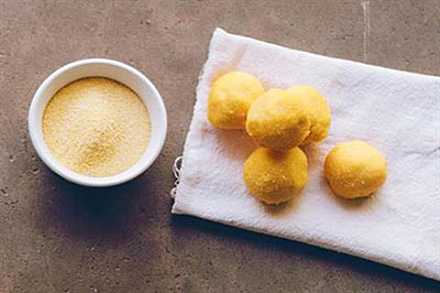
Tô

Tô

A staple dish made from millet, sorghum, or corn flour, cooked into a thick paste and typically served with a sauce made from vegetables, meat, or peanut paste.

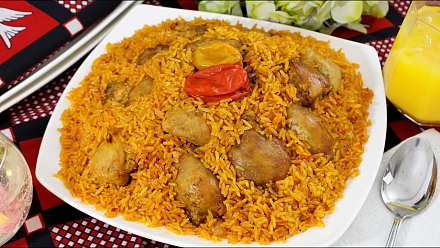
Riz Gras

Riz Gras

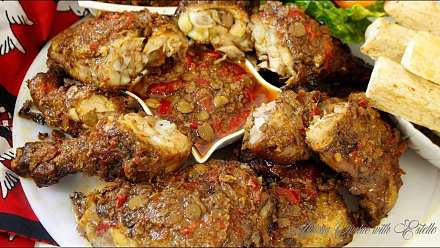
A flavorful rice dish cooked with tomatoes, onions, and meat (often chicken or beef), and seasoned with local spices, offering a rich, hearty meal.

Poulet Braisé

Poulet Braisé

Grilled chicken marinated in a mixture of spices and herbs, often served with a side of fried plantains or rice, giving a smoky, savory flavor.

Saucisses

Saucisses

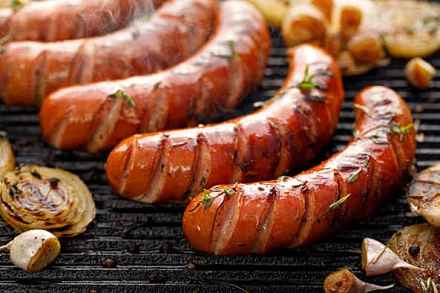
Spicy sausages made from beef or pork, typically grilled or fried, and often served as a street food snack with bread or alongside rice and vegetables.

Fufu

Fufu

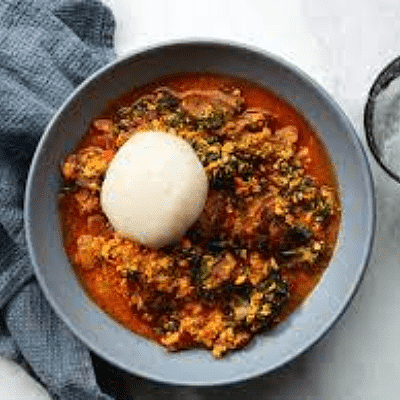
A smooth, starchy dish made by pounding yam or plantains, usually served with a variety of stews or soups such as peanut soup or tomato-based sauce.

Bâbba

Bâbba

A traditional dessert made from millet flour, sugar, and sometimes milk, often enjoyed as a sweet, filling treat during special occasions or celebrations.

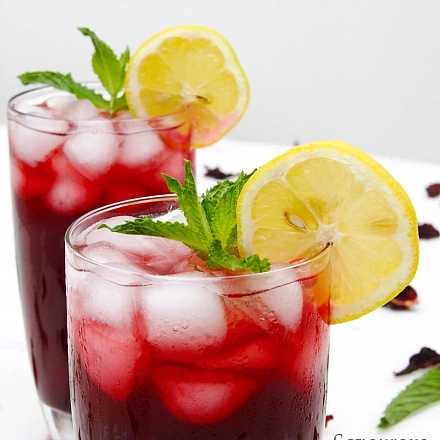
Bissap

Bissap

A refreshing drink made from hibiscus flowers, sugar, and water, known for its tangy flavor and bright red color, often served chilled.

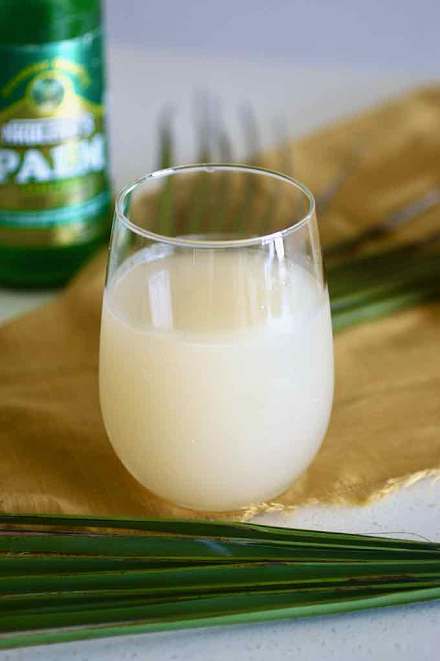
Palm Wine

Palm Wine

A traditional alcoholic beverage made from the sap of palm trees, commonly consumed during ceremonies and social gatherings, offering a sweet, slightly fermented taste.

Packing

When packing for a trip to Burkina Faso, it's essential to consider the country's tropical climate and cultural nuances. Lightweight, breathable clothing made from natural fibers is ideal to stay cool in the heat. Don't forget a wide-brimmed hat and sunglasses for sun protection. A sturdy pair of walking shoes is crucial for exploring the terrain, along with flip-flops for relaxing. Bring a refillable water bottle to stay hydrated, as well as a basic first-aid kit and any necessary medications. A power adapter for your electronics, insect repellent, and sunscreen are also must-haves. Finally, a lightweight scarf or shawl can be useful for visiting religious sites, ensuring you respect local customs.

Currency

In Burkina Faso, the official currency is the West African CFA franc (XOF), which is divided into denominations of 1, 5, 10, 25, 50, 100, 500, and 1,000 francs for coins, and 1,000, 2,000, 5,000, and 10,000 francs for banknotes. ATMs are available in major cities and urban areas, allowing for cash withdrawals, though they may not always accept international cards, so it's advisable to check beforehand. While credit cards are accepted at some hotels, restaurants, and larger shops, cash remains the preferred method of payment in many places, especially in rural areas. Travelers should ensure they have sufficient cash on hand for local transactions.

Transport

Burkina Faso's main entry point for foreign travelers is Ouagadougou International Airport (OUA), located in the capital, which connects to several international destinations. Bobo Dioulasso Airport (BOY) serves as a secondary airport for domestic flights. Within the country, transportation options include buses, shared taxis (known as "sept-place"), and motorbike taxis, which are widely used for short distances. For longer journeys, intercity buses provide a reliable means of travel, though schedules can be irregular. To navigate the system effectively, it's advisable to book bus tickets in advance, negotiate taxi fares before starting your journey, and remain aware of your surroundings, especially in busy urban areas.

Emergency

When traveling to Burkina Faso, it's essential to respect local cultural taboos, such as avoiding public displays of affection, which can be considered inappropriate in many communities. Additionally, it's important to dress modestly, especially in rural areas, to honor local customs. Always seek permission before taking photos of people, as this can be seen as intrusive. In case of emergencies, travelers should dial 16 for police assistance, 17 for ambulance services, and 18 for fire services.

Power Sockets

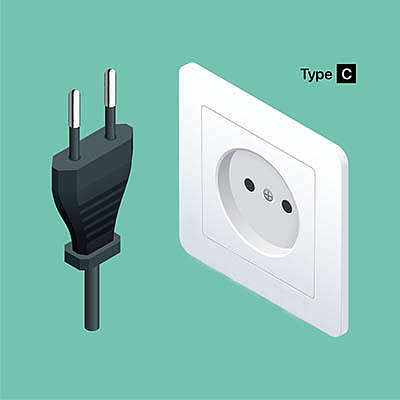
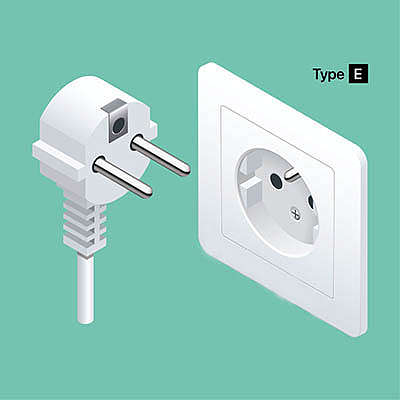
Burkina Faso uses power sockets type C and E, which are compatible with the standard European plugs. The voltage level is 220V with a frequency of 50Hz.

Socket sample 1Socket sample 2

Tours

View all tours

No featured routes yet

Route recommendations for this destination are coming soon.

Tour operators

View all operators